Embracing the Present: The Art of Letting Go
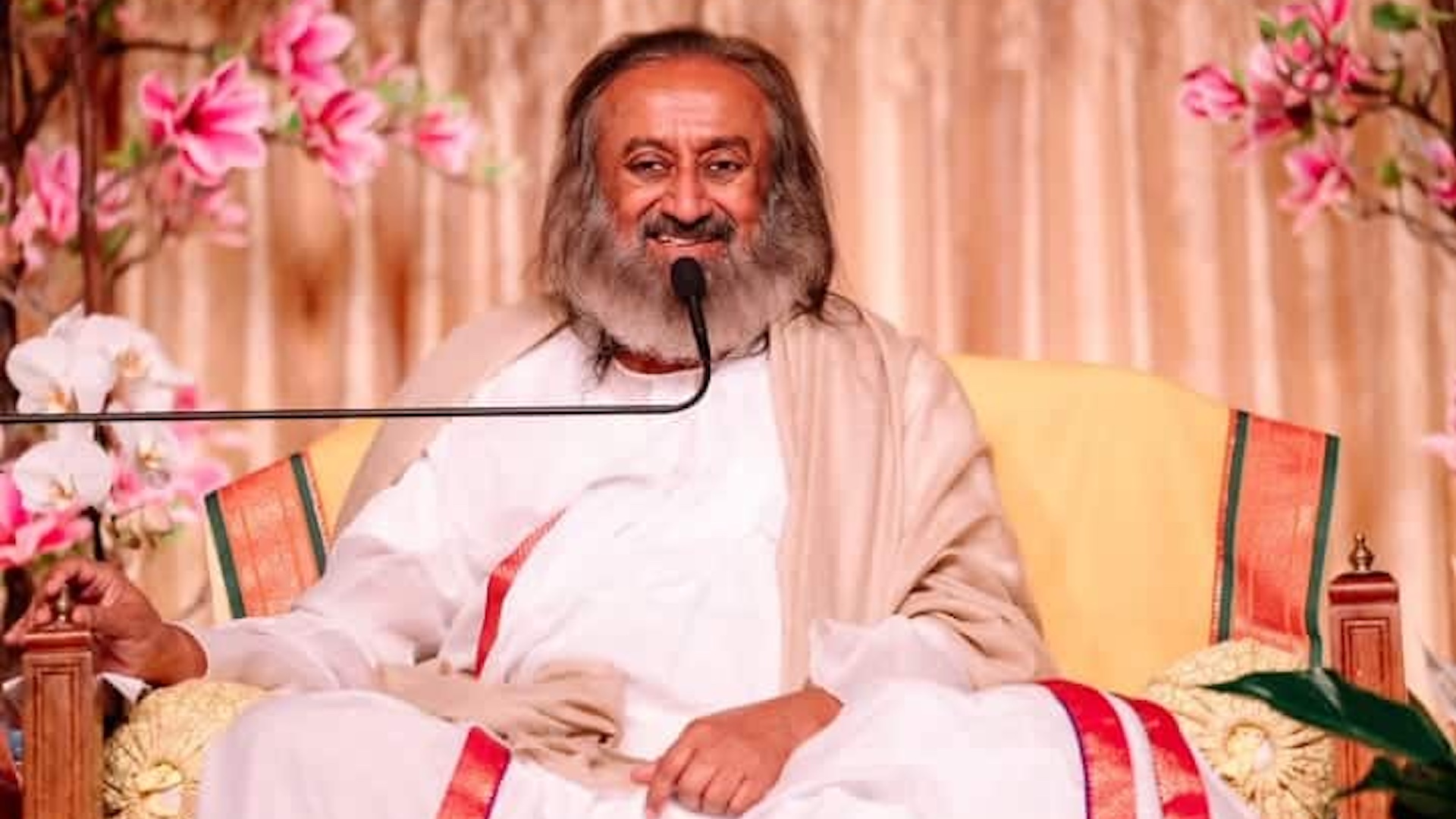
“Drop the wanting. Be here.” In this succinct yet profound statement, Sri Sri Ravi Shankar invites us to relinquish our incessant desires and fully immerse ourselves in the present moment. This teaching resonates deeply in a world that often prioritizes future aspirations over the richness of now. The stakes are high; in our relentless pursuit of what we think we need, we risk missing the beauty and depth of our current experiences. To heed this call is to embark on a journey toward inner peace and fulfillment.
At its core, this quote challenges the very fabric of our existence, urging us to confront the habitual patterns of craving and longing that dominate our lives. Wanting can often lead to dissatisfaction, as we become fixated on what is absent rather than appreciating what is present. By advocating for a state of being that transcends desire, Ravi Shankar offers a pathway to a more profound understanding of ourselves and our relationship with the world. This teaching is not merely about the cessation of wanting; it is an invitation to cultivate a deeper awareness of the here and now.
The image / the metaphor
The imagery in Ravi Shankar's quote is strikingly simple yet deeply evocative. The verb "drop" suggests a deliberate action, a conscious choice to release the burdens of desire that weigh us down. It conjures a sense of lightness, as if we are shedding layers of expectation and anxiety. The phrase "be here" serves as a grounding reminder, urging us to anchor ourselves in the present moment. Together, these elements create a vivid picture of liberation from the chains of wanting, inviting us to experience life as it unfolds.
In the speaker's tradition
Situated within the broader context of the Art of Living, Ravi Shankar's teaching resonates with key concepts such as dharma, or one's duty, and prajna, the wisdom that arises from direct experience. The notion of dropping wanting aligns with the practice of kenosis, a term that signifies self-emptying and the relinquishing of ego-driven desires. In this light, the quote becomes a call to align ourselves with our true nature, which is inherently peaceful and content. The practice of bhakti, or devotion, further complements this teaching, as it encourages surrendering our personal desires in favor of a greater connection to the divine.
In texts such as the Bhagavad Gita, we find echoes of this sentiment. The Gita teaches that attachment to the fruits of our actions can lead to suffering, urging us instead to focus on our duties without attachment to outcomes. This aligns seamlessly with Ravi Shankar's message, as both emphasize the importance of presence and the relinquishing of desire as a pathway to inner peace and fulfillment.
Living the teaching
Consider a modern scenario where this teaching can be applied: a busy professional caught in the whirlwind of deadlines and expectations. In the midst of striving for promotions and accolades, this individual may find themselves perpetually anxious, their mind racing with thoughts of what they lack. By embracing Ravi Shankar's teaching to "drop the wanting," they can begin to shift their focus from future aspirations to the present moment. This could manifest as a simple practice of mindfulness, taking a few moments each day to breathe deeply and appreciate the work they are currently engaged in, fostering a sense of gratitude and fulfillment.
Another application of this teaching might arise in the context of relationships. Imagine a couple navigating the complexities of their partnership, each partner harboring unspoken desires for the other to change. This longing can create tension and dissatisfaction, as they become fixated on unmet expectations. By embodying the essence of "be here," they can learn to appreciate each other as they are, fostering a deeper connection rooted in acceptance and presence. This shift not only alleviates the pressure of wanting but also opens the door to a more authentic and loving relationship.
A reflection
As we contemplate the wisdom of Sri Sri Ravi Shankar's quote, we are invited to reflect on our own lives: What desires or longings are we holding onto that prevent us from fully experiencing the present moment? In what ways can we practice dropping these attachments to cultivate a deeper sense of presence and peace? This inquiry encourages us to explore the delicate balance between aspiration and acceptance, guiding us toward a more fulfilling existence.