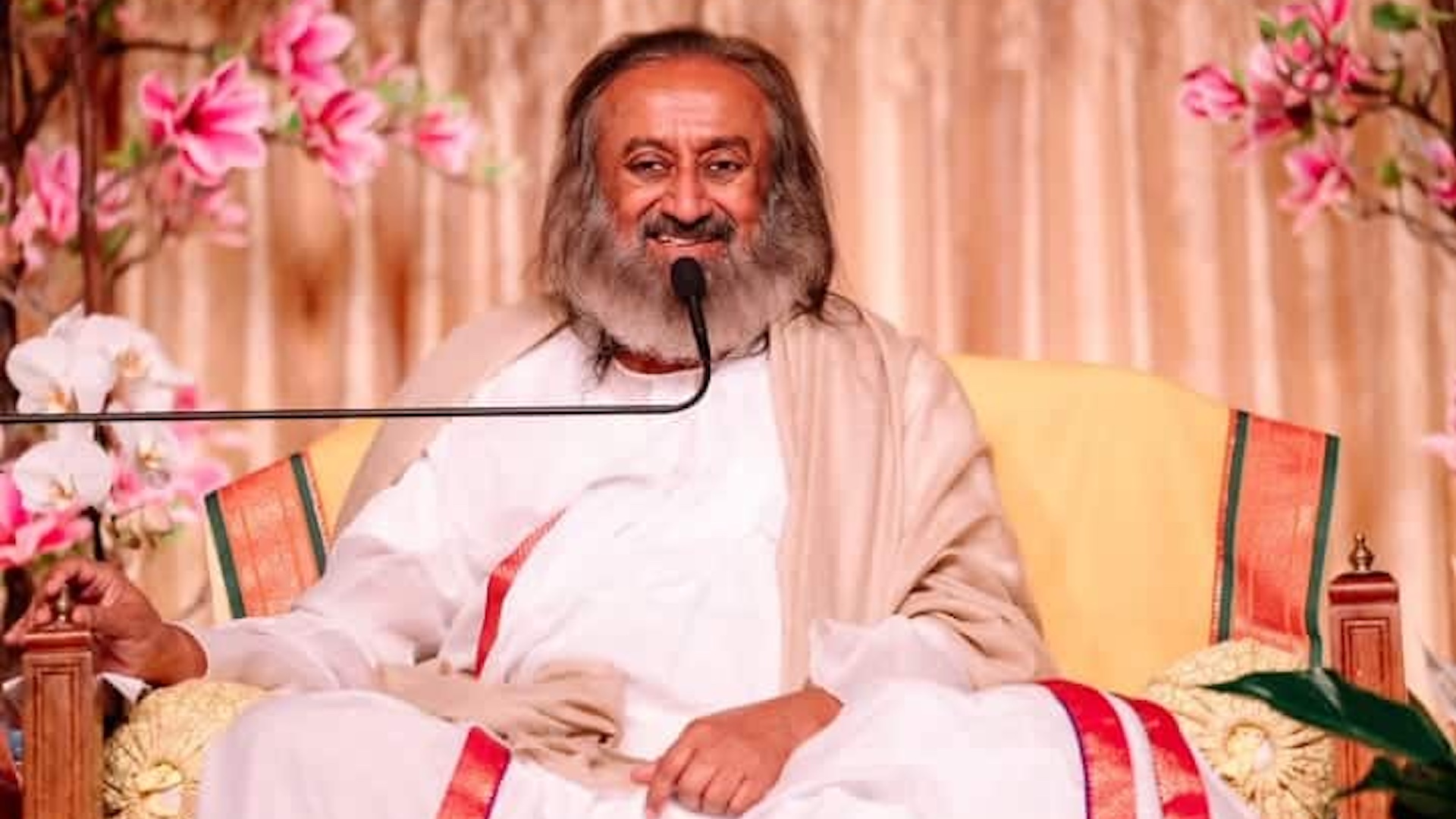
The Divine Playfulness of Existence
"God loves fun." This simple yet profound statement by Sri Sri Ravi Shankar invites us to reconsider our understanding of the divine and the nature of joy. In a world often burdened by seriousness and obligation, this quote serves as a reminder that the essence of spirituality is not solely found in solemnity or austerity, but also in the lightness of being. To embrace the idea that God delights in fun is to acknowledge that joy is a sacred aspect of existence, one that can lead us closer to the divine.
At its core, this quote challenges the conventional view of spirituality as a path marked by sacrifice and restraint. Instead, it suggests that joy and playfulness are integral to our spiritual journey. By recognizing that God embodies fun, we open ourselves to a more expansive understanding of the divine, one that encompasses laughter, creativity, and the simple pleasures of life. This perspective invites us to explore how joy can be a pathway to deeper connection with ourselves, others, and the universe.
The image / the metaphor
The phrase "God loves fun" evokes a vivid image of a playful deity, one who delights in the joy of creation and the exuberance of life. The choice of the word "loves" suggests an active, dynamic relationship between the divine and the human experience, emphasizing that joy is not merely an afterthought but a fundamental aspect of existence. Fun, in this context, becomes a verb, an action that invites participation and engagement, rather than a passive state of being.
In the speaker's tradition
Within the tradition of Sri Sri Ravi Shankar and the Art of Living, the concept of joy is intricately linked to the idea of dharma, or living in alignment with one's true nature. This alignment fosters a sense of ease and flow, allowing individuals to experience life as a joyful dance rather than a burdensome obligation. The notion of kenosis, or self-emptying, also resonates here; by letting go of rigid expectations and embracing the spontaneity of life, we can create space for joy to flourish.
In the context of the Art of Living, this teaching is echoed in various texts and practices that emphasize the importance of joy as a spiritual practice. For instance, the Bhagavad Gita speaks of performing one's duty with a sense of detachment, suggesting that when we engage in our actions with joy and lightness, we align ourselves with the divine will. This alignment not only brings personal fulfillment but also contributes to the collective joy of humanity.
Living the teaching
Consider a modern scenario where this teaching can be applied: a workplace that often feels heavy with deadlines and stress. By introducing moments of fun—perhaps through team-building activities or light-hearted breaks—employees can experience a shift in energy. This not only enhances productivity but also fosters a sense of community and connection, reminding everyone that joy can coexist with responsibility.
In a different context, imagine a relationship that has become strained due to misunderstandings and unspoken grievances. By inviting playfulness back into the dynamic—through shared activities, laughter, or even playful teasing—partners can reconnect on a deeper level. This approach encourages vulnerability and openness, allowing both individuals to rediscover the joy that initially brought them together, thus nurturing their bond.
A reflection
As we contemplate the essence of "God loves fun," we are invited to reflect on our own relationship with joy. How often do we allow ourselves to experience fun in our lives, and what barriers do we create that prevent us from embracing this divine aspect? In what ways can we cultivate a spirit of playfulness, not only in our personal lives but also in our interactions with others? These questions can guide us toward a deeper understanding of joy as a spiritual practice, illuminating the path to a more vibrant and fulfilling existence.