The Journey Beyond the Journey
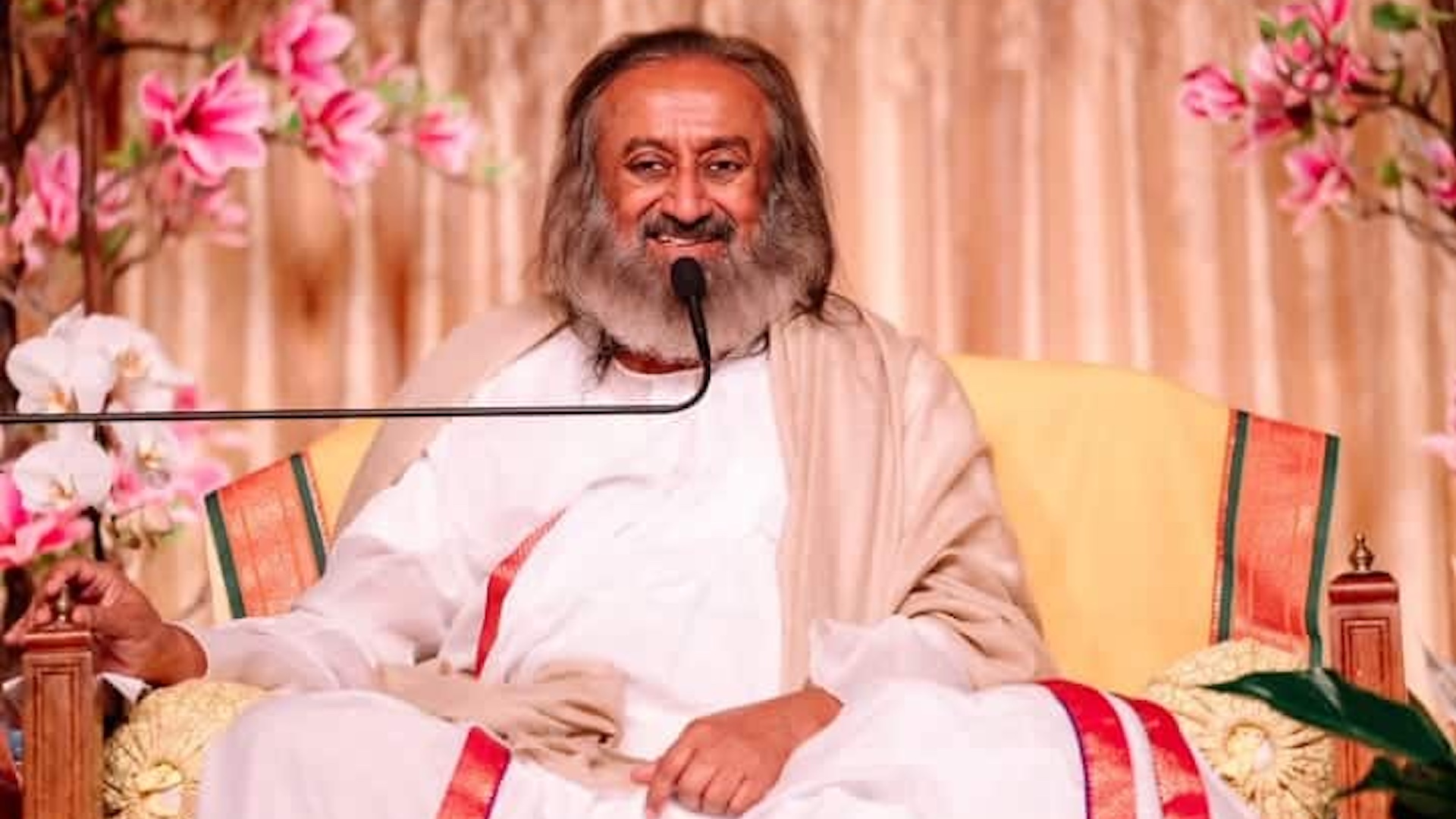
“Take care of the vehicle, but don't forget the destination.” This profound statement by Sri Sri Ravi Shankar invites us to reflect on the balance between our physical existence and our spiritual aspirations. It emphasizes the importance of nurturing our bodies and minds while remaining focused on our ultimate purpose in life. In a world often preoccupied with material pursuits, this quote serves as a gentle reminder that while we must attend to our immediate needs, we should not lose sight of the greater journey that lies ahead.
In a deeper sense, this quote speaks to the duality of our existence. The "vehicle" represents our physical form, our thoughts, and our emotions—elements that require care and attention. However, the "destination" symbolizes our spiritual goals, the essence of who we are beyond our physicality. This dual focus is crucial; neglecting one aspect can lead to an unbalanced life, while an overemphasis on the other can result in a disconnection from our true selves. Understanding this balance is vital for anyone seeking a meaningful and fulfilling life.
The image / the metaphor
The imagery of a vehicle and a destination evokes a sense of movement and purpose. The vehicle, which can be interpreted as our body or our mental faculties, requires maintenance—fuel, care, and attention to function effectively. The verbs "take care" suggest an active engagement with our physical and mental well-being, highlighting the necessity of self-care in our daily lives. Meanwhile, the destination represents our spiritual goals, the ideals we aspire to reach, which often require a deeper understanding of ourselves and the world around us.
In the speaker's tradition
Sri Sri Ravi Shankar's teachings are deeply rooted in the Art of Living tradition, which emphasizes the importance of inner peace and self-awareness. Concepts such as dharma, or righteous living, and bhakti, the path of devotion, resonate with the essence of this quote. By taking care of our vehicle, we align ourselves with our dharma, ensuring that our actions are in harmony with our spiritual goals. This alignment fosters a sense of purpose and clarity, guiding us toward our destination.
Moreover, the notion of kenosis, or self-emptying, can be seen as a parallel to this teaching. Just as we must care for our physical and mental states, we are also called to let go of attachments that hinder our spiritual growth. In the Bhagavad Gita, Krishna advises Arjuna to perform his duty without attachment to the results, echoing the sentiment of maintaining the vehicle while remaining focused on the ultimate goal. This wisdom encourages us to engage fully in our lives while keeping our spiritual aspirations in sight.
Living the teaching
Consider a modern scenario where this teaching can be applied: a busy professional striving for success in their career. They may invest countless hours in perfecting their skills and climbing the corporate ladder, focusing on the vehicle of their professional life. However, if they neglect their health, relationships, and inner peace, they may find themselves achieving success but feeling unfulfilled. By recognizing the importance of both the vehicle and the destination, they can create a more balanced approach, ensuring that their career advancements align with their personal values and spiritual growth.
In a different context, this teaching can be particularly relevant in relationships. Imagine a couple who is deeply invested in their partnership, focusing on nurturing their bond and addressing conflicts. While it is essential to care for the relationship (the vehicle), they must also remember the destination: a shared vision of love, respect, and mutual growth. By keeping their ultimate goals in mind, they can navigate challenges with greater compassion and understanding, ensuring that their relationship evolves in a way that honors both individuals' journeys.
A reflection
As we contemplate the wisdom in Sri Sri Ravi Shankar's quote, we are invited to ask ourselves: How can I ensure that my daily actions align with my deeper spiritual aspirations? This question encourages a reflective practice, prompting us to examine our priorities and the ways we care for our physical and emotional well-being. By engaging with this inquiry, we can cultivate a life that honors both the vehicle we inhabit and the destination we seek, fostering a harmonious balance that enriches our journey.