The Pain of Unawareness: Embracing Consciousness
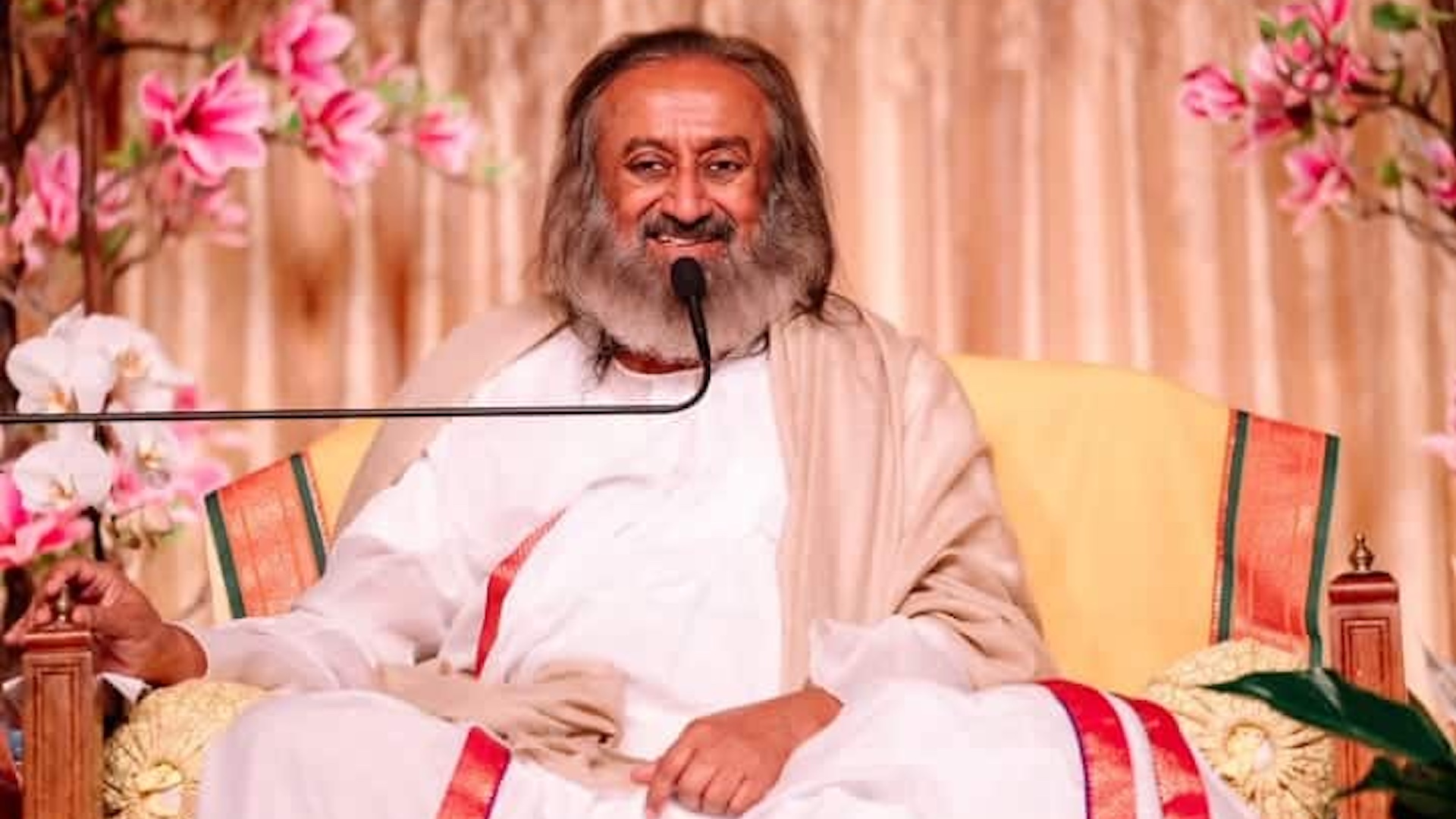
“To miss this is to suffer.” In this succinct yet profound statement, Sri Sri Ravi Shankar encapsulates the essence of human experience and the often-overlooked connection between awareness and suffering. The stakes are high: to navigate life without recognizing the deeper truths of our existence is to invite unnecessary pain into our lives. This quote serves as a reminder that our suffering is often rooted in ignorance, and that awakening to our true nature can lead to liberation and peace.
In a world that often prioritizes distraction over contemplation, the call to awareness becomes even more urgent. The suffering referenced here is not merely physical or emotional; it is a spiritual malaise that arises when we fail to see the interconnectedness of all things. By missing the essence of our being, we not only inflict pain upon ourselves but also perpetuate a cycle of disconnection from others and the universe. Understanding this quote invites us to explore the depths of our consciousness and recognize the transformative power of awareness.
The image / the metaphor
At its core, the quote evokes a vivid image of a journey—one that requires us to be fully present and engaged. The verb “miss” suggests a fleeting opportunity, a moment that slips through our fingers if we are not attuned to it. This imagery resonates with the idea of a traveler who, distracted by the noise of the world, overlooks the breathtaking landscapes that surround them. The suffering that follows is not just a consequence of missing out; it is a profound disconnection from the beauty and truth of existence.
Diving deeper into the metaphor, we can see that “to miss this” implies a deeper awareness of our inner landscape. It speaks to the necessity of recognizing our thoughts, emotions, and the essence of our being. The suffering that ensues from this lack of awareness is akin to wandering in a dark room, where the light of understanding is absent. By illuminating our consciousness, we can navigate the complexities of life with grace and insight, transforming suffering into a pathway for growth.
In the speaker's tradition
Situated within the Art of Living tradition, Sri Sri Ravi Shankar’s teachings draw heavily from the ancient wisdom of the Yoga Sutras of Patanjali. Concepts such as dharma, or one’s righteous duty, and prajna, the wisdom that arises from deep understanding, are integral to this discourse. The quote invites us to consider how our failure to recognize our true nature can lead to a misalignment with our dharma, resulting in suffering not only for ourselves but for those around us. In this light, awareness becomes a spiritual practice that aligns us with our higher purpose.
Furthermore, the notion of kenosis, or self-emptying, resonates with the essence of this teaching. By letting go of our preconceived notions and attachments, we create space for deeper awareness and connection. In the context of the Yoga Sutras, this aligns with the practice of meditation, which serves as a tool for cultivating awareness and recognizing the transient nature of thoughts and emotions. The Sutras remind us that true liberation comes from understanding the nature of suffering and the path to transcend it through conscious living.
Living the teaching
Consider a modern scenario where this teaching can be applied: a busy professional caught in the whirlwind of deadlines and responsibilities. In the rush to meet expectations, they may overlook the simple joys of life—a warm smile from a colleague, the beauty of nature outside their window, or even the need for self-care. By missing these moments, they invite stress and anxiety into their lives. Recognizing this pattern can be the first step toward alleviating suffering, allowing them to cultivate mindfulness and presence in their daily routine.
In the realm of relationships, the teaching resonates profoundly as well. Imagine a couple facing a conflict, each entrenched in their perspectives and emotions. If they fail to recognize the underlying connection that binds them, they risk deepening their suffering. By embracing awareness—listening deeply, acknowledging each other’s feelings, and stepping outside their own narratives—they can transform the conflict into an opportunity for growth and understanding. This practice of conscious engagement not only alleviates suffering but also strengthens the bond between them.
A reflection
As we contemplate the wisdom embedded in Sri Sri Ravi Shankar’s quote, we are invited to ask ourselves: What aspects of my life am I overlooking that may be contributing to my suffering? This question encourages a deep dive into our consciousness, prompting us to identify the moments where we may be missing the essence of our experiences. By fostering awareness, we can begin to unravel the layers of suffering and step into a more profound understanding of ourselves and our interconnectedness with the world around us.